
From The Traitors to Nobody’s Fool: why audiences are obsessed with social strategy shows

Whether we’re spotting traitors, second-guessing contestants or shouting at the television, social strategy formats are turning viewers into players and engaging them in ways commissioners could only have dreamed of a decade ago.
The rise of social strategy TV
There's no denying that the UK - and broader markets - have seen a rise in strategy-led reality formats like The Traitors and Nobody's Fool. These formats rely on alliances, manipulation, deception and social deduction - turning both contestants and audiences alike into real-life Columbos.
And the statistics don't lie. According to the latest figures released by the BBC, Series 4 of The Traitors brought in a staggering 9.6 million views. Newer entrants like Nobody’s Fool suggest broadcasters are increasingly recognising audiences’ appetite for deception-led formats beyond established franchises like The Traitors.
So, why is it that audiences want to engage in these types of shows?
Audiences want participation
The answer is simple - because they actively encourage audiences to play along from home. Humans are inherently social, meaning much of our enjoyment comes from watching, judging and engaging with other people. In fact, we need it to survive. Whether we're learning from each other, judging each other, proving each other wrong or winning their approval - people need people.

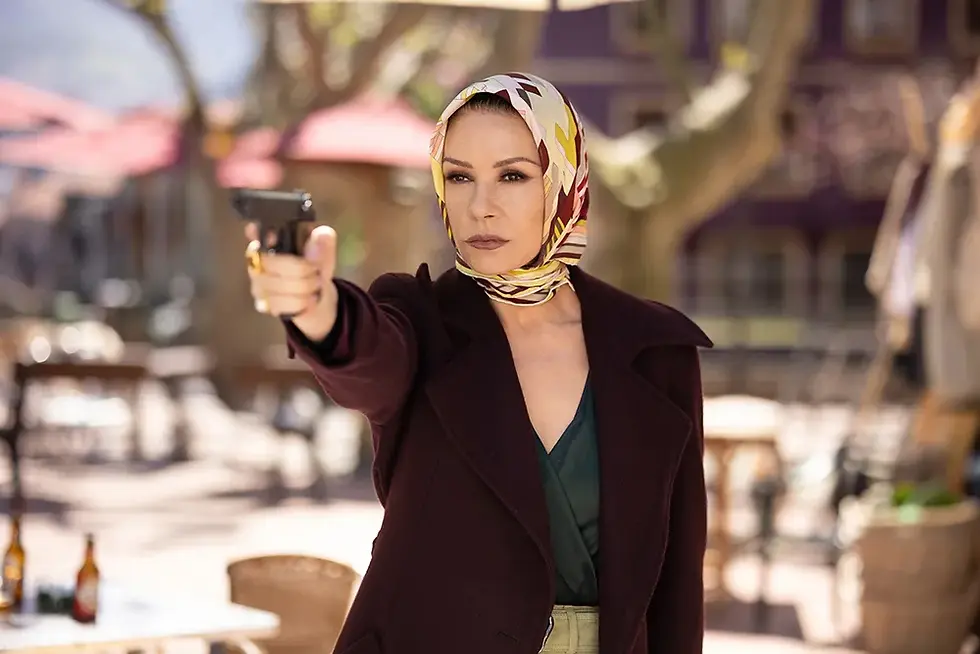
Credit: The Traitors, Series 4 (BBC)
As a result of The Traitors and Nobody's Fool, more people are joining group chats, using social media to theorise and show off their theories - providing them with the social acknowledgement and reassurance they need to feel listened to.
It's communal viewing at its best - and it's working now better than it ever has.
Why it works now
Whilst strategy formats aren’t new, social media has transformed how audiences engage with them. Social media has amplified these formats far beyond the television screen. It relies on people's wild theories on TikTok, contributors teasing people on Instagram and the onslaught of opinions on X. Without this, these shows wouldn't be half as popular or addictive as they are. Social media makes them impossible to ignore.
There's also no denying the fact that everyone needs escapism right now. Audiences are seeking relief from economic uncertainty, political instability or wider global events, making escapism more attractive.
Finally, a distrust in institutions and an increasing sense of loneliness (particularly amongst certain demographics) create the perfect opportunity for communal, water-cooler viewing.
Why do viewers enjoy watching people lie?
So, it turns out the British public enjoy watching people lie - or attempt to. But in a culture and society where 'politeness' and 'honesty' are meant to be integral, why do we get so much gratification from watching people deceive and manipulate?

Credit: Nobody's Fool, Series 1 (ITV)
British society has always relied and thrived on tribal power dynamics, and shows like The Traitors play right into that. Much of the enjoyment comes from testing our own judgement. Audiences like believing they can spot deception better than contestants can.
Above all else, the British public always want to be right.
In an increasingly fragmented media landscape, social strategy shows offer something increasingly rare: collective participation. They don’t simply ask audiences to watch - they ask them to play. These formats generate conversation long after transmission, extending engagement beyond the linear viewing experience.


Comments